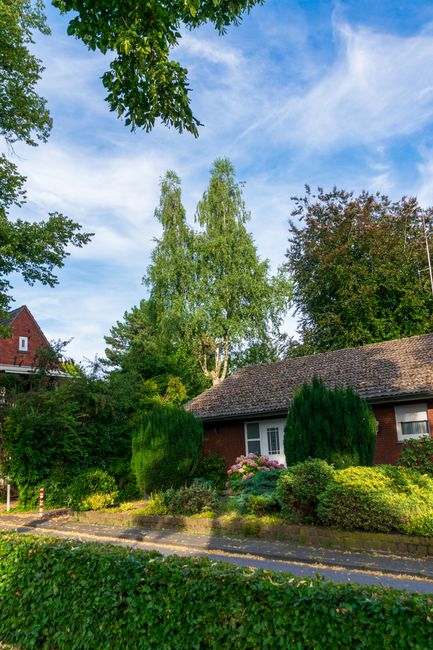
Same day garden maintenance Burnt Oak when to call for urgency
If your garden has gone from "needs a tidy" to "this could become a problem today", you are in the right place. Same day garden maintenance in Burnt Oak is not just about speed; it is about recognising when delay could lead to damage, safety issues, neighbour complaints, or a much bigger job tomorrow. Truth be told, most gardens can wait a day or two. But some cannot. A snapped branch, blocked path, storm debris, or a sudden hedging issue can change the picture fast.
This guide explains when to call for urgency, what same day maintenance usually covers, how to judge risk, and what to do before help arrives. It also walks through practical steps, common mistakes, and a simple checklist so you can make a calm decision instead of a panicked one. If you need a wider service afterwards, it can also help to compare options such as routine garden maintenance, hedge trimming in Burnt Oak, or tree surgery where the issue goes beyond a quick tidy.
Expert summary: Call for same day garden maintenance when the garden is creating immediate safety risk, access problems, property damage risk, or a situation that will clearly worsen within hours. If you are hesitating, look for signs of danger first, not just mess.
Table of contents
- Why urgency matters in a Burnt Oak garden
- How same day garden maintenance works
- Key benefits and practical advantages
- Who this is for and when it makes sense
- Step-by-step guidance
- Expert tips for better results
- Common mistakes to avoid
- Tools, resources and recommendations
- Law, compliance, standards and best practice
- Options, methods and comparison table
- Case study or real-world example
- Practical checklist
- Conclusion
- Frequently asked questions
Why Same day garden maintenance Burnt Oak when to call for urgency Matters
Urgent garden issues are often underestimated because they start small. A hedge leaning into a footpath looks annoying rather than serious. A branch on the lawn seems like a cleanup task. A patch of overgrown ivy looks untidy, maybe even charming if you squint a bit. But in real life, these things can turn into trip hazards, blocked sightlines, damaged fencing, roof issues, or access problems for residents, visitors, and even emergency services.
Burnt Oak homes often deal with tight side access, shared boundaries, and gardens that back onto busy routes or neighbours' plots. That means an overgrown or storm-hit garden can affect more than just the owner's peace of mind. It can affect access, safety, and sometimes the condition of nearby structures. If you have ever stepped outside after a windy night and found a branch cracked but hanging, you will know the feeling: that quiet "we should sort this now" moment. And yes, that feeling is usually right.
Urgency also matters because weather changes quickly in the UK. A damp afternoon can become a slippery evening. A loose pile of clippings can clog drains, spread across paving, or become a mess that is awkward to clear after dark. For preventative reading, many homeowners also find value in weatherproofing your garden against damage, especially if storms, frost, or sudden heavy rain are part of the problem.
The rule of thumb is simple: if the issue is making the garden unsafe, inaccessible, or likely to get worse fast, treat it as urgent. If it is only unattractive, it probably waits.
How Same day garden maintenance Burnt Oak when to call for urgency Works
Same day maintenance is usually a rapid-response service. That does not mean a full landscape redesign in one afternoon, and it should not be sold that way. It means a gardener or maintenance team prioritises the most pressing problem first, stabilises the space, and reduces immediate risk. Then, if needed, they can advise on follow-up work.
In practice, it often starts with a quick call or enquiry, followed by a description of the issue, photos if possible, and a rough assessment of what is needed. A responsible provider will want to know whether the problem involves a tree, a fence, a blocked access point, sharp debris, standing water, or something that might need specialist equipment. If the garden issue involves structural movement, dangerous hanging limbs, or a boundary failure, the work may need a more specific service rather than general maintenance.
That is where services like fencing, landscaping, or patio cleaning can come into play after the urgent part is dealt with. The first visit is often about triage. A bit like a nurse deciding what needs attention first, not every issue gets the same treatment, and that is a good thing.
Typical same day tasks include:
- Clearing windblown branches, leaves, and debris
- Making paths, driveways, and access routes safe again
- Reducing overhanging growth that is blocking sightlines or entry
- Securing broken or leaning garden features
- Removing loose vegetation that is creating a fire, slip, or trip concern
- Getting control of a rapidly worsening weed or growth issue where access is being lost
For overgrown hedges, a specialist option may be more appropriate than general maintenance, which is why an established service such as hedge trimming Burnt Oak is worth considering when the problem is boundary-related or visibility-related rather than just messy.
Key Benefits and Practical Advantages
Speed is the obvious benefit, but it is not the only one. Same day garden maintenance can stop a small problem from becoming a chain reaction of issues. A slipped branch can damage a fence panel. A blocked path can turn into a fall. A neglected hedge can bring complaints from neighbours or obstruct a front garden entrance. Once the garden starts affecting daily life, the job is no longer cosmetic.
There is also a stress benefit that people underestimate. When the garden is in rough shape after a storm or a busy season, the visual mess can be oddly draining. You look out the window and keep seeing the same thing. That low-level background worry is real. Getting it handled the same day gives you back the space, and a bit of breathing room too.
Here are the main advantages:
- Reduced risk: immediate hazards are removed before someone trips, slips, or gets hurt.
- Less damage: fast action can stop water flow problems, broken edges, or plant collapse from spreading.
- Better access: gates, paths, bins, and side entrances stay usable.
- Neighbour-friendly: overhang, boundary issues, and untidy front gardens are handled before they become a complaint.
- Cleaner handover: if you are preparing for visitors, a tenancy change, or a property viewing, the garden looks under control fast.
For homes trying to keep maintenance low after the emergency is solved, it can be smart to shift into a simpler planting or upkeep plan later. Articles like low-maintenance garden ideas and effective weed management can help you avoid a repeat performance next month. Nobody needs the same drama twice.
Who This Is For and When It Makes Sense
Same day garden maintenance is for anyone facing an immediate garden problem, but some people need it more often than others. If you are a homeowner with a front garden exposed to wind, a landlord between tenancies, a family with children running in and out, or someone who relies on a clear side passage, urgency can matter more than you first think.
It also makes sense if you have pets. A loose fence board, thorny debris, or scattered cuttings can create a nuisance for dogs in a very practical way. For a few helpful ideas on making outdoor spaces safer and more comfortable for pets, have a look at gardening tips for canine companions.
Same day work is especially sensible when:
- A storm has left branches or debris in the garden
- Paths or driveways have become slippery or blocked
- Hedges are obstructing access or visibility
- A tree limb is hanging low or split
- Fence panels or boundary features are unstable
- Plant growth is pressing hard against buildings, gates, or paving
- You are preparing for guests, tenants, or a property inspection and the garden has gone off the rails very suddenly
It may be less urgent if the issue is simply seasonal tidying, routine lawn care, or general pruning that has been delayed for a while. In that case, a planned visit via lawn care, lawn mowing, or broader gardening services is usually enough.
Step-by-Step Guidance
If you are trying to decide whether to call now or wait until tomorrow, use this simple process. It is quick, sensible, and far better than guessing.
- Check for immediate danger. Look for hanging branches, broken glass, loose masonry, exposed roots, broken fencing, or anything that could injure someone.
- See whether access is affected. Can people get in and out safely? Can bins be moved? Can a gate open fully?
- Assess whether the issue is worsening. Water pooling, wind movement, falling debris, and leaning structures all tend to deteriorate, not improve on their own.
- Photograph the problem. A few clear photos help a provider understand the urgency before arriving.
- Keep people away. If something looks unstable, do not let children, pets, or guests wander near it.
- Describe the exact issue clearly. Say what happened, when it started, and what has changed.
- Ask what can be done today. Sometimes a same day visit is about containment first and full resolution later.
One useful way to think about it: if the garden is now affecting safety, access, or property protection, it is urgent. If it is only affecting your mood, still annoying, but not urgent. A bit blunt, maybe, but helpful.
For visual clutter caused by fast-growing climbers or aggressive ivy, you may also want to understand the longer-term clean-up process. The guide to ivy removal is a practical companion piece when growth has become more than a simple trim job.
Expert Tips for Better Results
Here is the thing: same day work goes better when the initial assessment is accurate. A few minutes of clear observation can save a lot of time later. In our experience, the best outcomes happen when the customer focuses on the practical risk, not just the visual mess.
Give the job a priority label before you call
Use three simple labels in your own head: dangerous, disruptive, or annoying. Dangerous means call now. Disruptive means same day may be helpful. Annoying means you can usually book in normally. That sounds almost too simple, but it works.
Share the location of the issue precisely
"The back hedge by the gate" is more useful than "the garden's messy." "A branch has fallen near the shed" is better than "something fell over." Precision helps the team bring the right tools and avoid wasted time.
Don't move unstable debris unless it is safe
People often try to be helpful by lifting, dragging, or sawing before anyone arrives. Sometimes that is fine. Sometimes it turns a manageable issue into a worse one. If a branch is under tension or a fence panel is half-detached, leave it alone.
Think about the aftercare
Same day maintenance solves the immediate issue, but the garden may still need a tidy-up plan. This is where a follow-up booking becomes useful, especially if the underlying problem is seasonal overgrowth, weak fencing, or neglected lawn edges.
If your space is prone to harsh weather or exposed corners, a better long-term approach may include protective planting, stronger borders, or smarter layout choices. For inspiration, the articles on fast-growing hedges, wind challenges in the garden, and starting a garden makeover are genuinely useful, not just nice to read over tea.
Common Mistakes to Avoid
Urgent garden jobs tend to trigger quick decisions, and quick decisions sometimes go wrong. The biggest mistake is waiting too long because the issue "doesn't look that bad." A cracked branch can look oddly stable right before it falls. A leaning fence can hold for hours, then give way after a bit more wind. Gardens are good at pretending they are fine. Sneaky, really.
Other common mistakes include:
- Calling for urgency when the issue is routine: this can distract from genuinely serious problems.
- Trying to fix a tree or roofline issue without the right equipment: that is a safety risk.
- Forgetting access matters: if the crew cannot get to the area, the job will take longer.
- Not mentioning pets, narrow side returns, or shared boundaries: these details affect planning.
- Ignoring the cause: if the same problem keeps returning, there is usually an underlying design or maintenance issue.
There is also a timing mistake people make after storms. They wait until the next clear, sunny day because the garden looks "calmer" then. But if the issue is structural or access-related, the calm weather is not the point. The risk already happened.
Tools, Resources and Recommendations
For urgent garden work, the right tools depend on the problem. A maintenance team may use hand tools for clearing, loppers for small branches, secateurs for precise cuts, rakes for debris, brooms for paths, and protective gear for sharp or unstable material. For larger or more technical jobs, specialist equipment may be required. If you want a better feel for the gear that helps professional gardeners work efficiently, the article on must-have gardening tools is a solid starting point.
Useful resources on the same site can also help you think beyond the immediate fix:
- Insurance and safety for understanding responsible working practices
- Health and safety policy for a clearer picture of operational care
- Pricing and quotes when you want to understand how jobs are usually assessed
- About us if you want context on the team behind the service
If your garden issue is more about surfaces than plants, you might also combine urgent maintenance with patio cleaning so the area is safe to walk on again, especially after leaf fall or wet weather. Slippery paving is one of those boring hazards that becomes interesting only after someone slips. Best avoided.
Law, Compliance, Standards and Best Practice
For garden work in the UK, the most important point is simple: it should be carried out safely, responsibly, and without creating avoidable risk to people, property, or neighbouring land. If you are dealing with a tree near a boundary, overhanging branches, or unstable limbs, do not assume it is just a garden tidy. Tree work can involve additional care, and in some cases a specialist such as tree surgery is the right route.
Best practice usually means:
- Checking for hidden hazards before cutting or lifting
- Using protective equipment where appropriate
- Keeping access routes clear and safe
- Handling waste properly
- Avoiding damage to neighbour property, walls, fencing, and paving
- Being realistic about when a garden problem needs a specialist rather than a general maintenance visit
If you are a tenant, landlord, or managing agent, it is also wise to keep records of what was reported, when action was taken, and what was done. Not because everyone loves paperwork, obviously, but because it helps if the same issue reappears. For services involving shared property or boundary concerns, keeping communication clear is just good sense.
Finally, accessibility matters too. If a path, gate, or entrance is obstructed, that is not merely untidy; it may prevent safe use of the space. The practical aim is to restore a garden that can be used safely, not just one that looks neat from the kitchen window.
Options, Methods, or Comparison Table
Not every garden problem needs the same response. Sometimes a quick tidy is enough. Sometimes you need a specialist. Here is a simple comparison that can help you decide.
| Situation | Best response | Urgency level | Notes |
|---|---|---|---|
| Scattered leaves and light overgrowth | Routine maintenance visit | Low | Usually safe to book in normally |
| Blocked path, loose branches, or slippery debris | Same day garden maintenance | High | Safety and access are the priority |
| Leaning fence panel or broken boundary feature | Urgent maintenance, possibly fencing follow-up | High | Check for instability and nearby hazards |
| Hanging or split tree limb | Tree specialist assessment | High | Do not stand beneath it or try to remove it yourself |
| Heavy hedge overhang at a boundary | Urgent hedge work or scheduled trimming | Medium to high | Urgency depends on access, visibility, and risk |
| Dirty patio or mossy step after wet weather | Surface cleaning | Medium | Urgent if slip risk is immediate |
This is the practical test: if the garden issue changes how safely you can move, enter, or use the space, treat it more seriously. If it only changes how nice the space looks, you have more time.
Case Study or Real-World Example
A typical same day call in Burnt Oak might start after a windy night. A homeowner steps outside in the morning and finds a cracked branch resting partly over a rear path, with smaller debris scattered across the paving. The gate is still usable, but only just. The family needs to get children out to school, the bins need moving, and the side return is awkward at the best of times.
In that kind of situation, a same day maintenance visit would usually focus on making the path safe, removing loose debris, and checking whether the branch is stable or requires specialist attention. If the branch is part of a larger tree or appears split under tension, the job could shift into tree work. If not, the immediate issue is often cleared quickly, and the homeowner gets a usable garden back before the day really gets going.
Another common real-world situation is overgrown hedge growth after a period of wet, mild weather. It does not look dramatic from indoors, but it starts narrowing the path, brushing shoulders, and making the front garden feel cramped. A prompt visit can restore access and prevent a neighbour issue from escalating. Small job, big relief. People underestimate that feeling.
Practical Checklist
Use this checklist when deciding whether to call for urgent help today:
- Is anyone at risk of tripping, slipping, or being hit by falling debris?
- Are paths, gates, or entrances partially blocked?
- Has wind, rain, frost, or debris made the garden suddenly worse?
- Is a branch, fence, hedge, or garden feature unstable?
- Could the issue damage a fence, patio, wall, shed, or building if left alone?
- Do children, pets, or visitors need to use the space today?
- Is the problem likely to get worse in the next few hours?
- Can you explain the issue clearly with a photo or two?
- Would a routine visit be fine, or does this genuinely need same day attention?
Quick rule: if you answered yes to two or more safety or access questions, it is worth treating the job as urgent.
If you want to move forward after checking the situation, the simplest next step is to speak to the team via the contact page and describe what you can see. If you are still weighing up the cost or scope, pricing and quotes can help set expectations before you commit.
Conclusion
Same day garden maintenance in Burnt Oak is about knowing when delay is expensive, unsafe, or simply pointless. A garden does not need to be perfect to wait, but it does need to be safe. Once you learn to spot the signs of urgency, the decision gets much easier: blocked access, unstable features, storm damage, and fast-moving problems deserve immediate attention. Cosmetic mess can wait. Risk cannot.
And if the issue turns out to be bigger than a quick tidy, that is fine too. A good response is not about doing everything at once; it is about doing the right thing first, then planning the rest without stress. Gardens recover. People do too, especially after the mess has been cleared and the path is open again. There is something reassuring about that, really.
Get a free quote today and see how much you can save.
Frequently Asked Questions
What counts as an urgent garden maintenance job?
An urgent job is usually anything that affects safety, access, or the risk of damage. That includes fallen branches, blocked paths, unstable fencing, or growth that suddenly makes the garden unsafe to use.
Can same day garden maintenance handle storm damage?
Yes, in many cases it can handle the immediate clean-up and safety work. If a tree limb, roofline issue, or structural problem is involved, the job may need specialist attention after the initial assessment.
How do I know if I need same day help or just a normal booking?
Ask yourself whether the issue is dangerous, disruptive, or merely untidy. Dangerous usually means same day. Disruptive might justify it if access is affected. Untidy can usually wait.
Is overgrown ivy ever an urgent problem?
It can be, especially if it is affecting walls, fences, access routes, or hidden surfaces. Ivy can look harmless while quietly creating problems, so it is worth taking seriously when it spreads fast.
What should I do before the gardener arrives?
Keep people and pets away from the hazard, take a few photos, and avoid moving unstable material. Clear communication helps more than trying to tidy everything yourself first.
Will same day garden maintenance include hedge trimming?
Sometimes yes, if the hedge is causing an immediate issue such as blocking access or visibility. If it is a larger boundary job, a dedicated hedge trimming visit may be more appropriate.
Does urgent garden work cost more than regular maintenance?
It often can, because the schedule is faster and the response is prioritised. The exact cost depends on the scale of the issue, access, timing, and whether specialist tools are needed.
Can I book same day garden maintenance in Burnt Oak for a rental property?
Yes. Landlords and agents often use urgent maintenance when a property needs to stay safe, presentable, and usable. It is especially useful between tenancies or after unexpected weather damage.
What if the problem is a broken fence and not plants?
A broken fence may still count as urgent if it creates a safety issue, security concern, or boundary risk. In that case, a fencing-related repair or follow-up may be needed after the immediate stabilisation.
Do I need a specialist for a tree that looks unsafe?
If the issue involves a hanging limb, a split trunk, or anything near a building or boundary, yes, it is wise to use a specialist rather than assume it is just a gardening task.
Can patio cleaning ever be urgent?
Yes, if moss, mud, leaves, or algae are making a walking surface slippery right now. It is not glamorous, but a safe path matters more than a spotless one.
What is the best first step if I am unsure?
Take clear photos, note what changed, and contact a local team for a quick assessment. If the issue is causing worry, that is usually a sign it deserves at least a same-day conversation.