Barnet Council rules for garden waste disposal NW9 gardeners
If you garden in NW9, you will know that garden waste can build up fast. One weekend of hedge trimming, a bit of lawn edging, and suddenly you have bags of clippings, weeds, twigs and old soil everywhere. The challenge is not just clearing it up; it is making sure you deal with it in a way that fits Barnet Council rules for garden waste disposal NW9 gardeners can actually rely on day to day.
This guide breaks down the practical side of disposal, from what counts as garden waste to the safest and cleanest ways to manage it. It is written for homeowners, landlords, tenants and local gardeners who want fewer headaches, less mess, and a straightforward routine that does not cause trouble with collections, contamination or fly-tipping. Truth be told, garden waste is one of those jobs that seems simple until you are standing beside three overstuffed bags at the end of a damp Saturday.
Below, you will find the key rules, the usual mistakes, and some sensible ways to keep your garden tidy without making disposal the worst part of the job. And yes, there are a few local-minded tips that help in real life, not just on paper.
Why Barnet Council rules for garden waste disposal NW9 gardeners Matters
Garden waste is not the same as general household rubbish, and that distinction matters more than many people expect. Grass cuttings, prunings, leaves, small branches and weeds need the right handling because they can be recycled or composted in the right system, while mixed waste creates extra cost and contamination. For NW9 gardeners, that means the routine you use after cutting a hedge or clearing a border should be shaped by the local collection system, not by guesswork.
In practical terms, following the rules helps you avoid rejected collections, overfilled bins, and that awkward situation where a neat pile of green waste has to be re-sorted because a few wrong items were mixed in. It also reduces the chance of a neighbour complaint or, worse, a disposal issue that ends up looking careless. Let's face it, nobody wants their lovely front path bordered by a sagging bag of wet ivy on a windy evening.
There is also a broader environmental point. Garden waste is one of the easiest streams to manage well because it is usually organic and recyclable. The better you separate it, the easier it is to deal with responsibly. That is good for your garden, good for the street, and usually better for your wallet too, depending on the disposal route you choose.
If you are planning bigger seasonal work, such as hedge reduction or a full tidy-up, it can help to think ahead about the waste before you start. Some gardeners build their disposal plan into the job itself, the same way they plan tools or weather windows. If you need help with the wider garden work that often creates extra waste, the team at garden maintenance can be a useful starting point, especially for repeated clean-ups through the year.
How Barnet Council rules for garden waste disposal NW9 gardeners Works
The exact collection arrangements can change over time, so the safest approach is to treat council guidance as the source of truth and check it before you leave anything out. The general pattern is straightforward: garden waste should be kept separate from other rubbish, placed in the correct approved container or set-out method, and prepared so it can be collected without contamination.
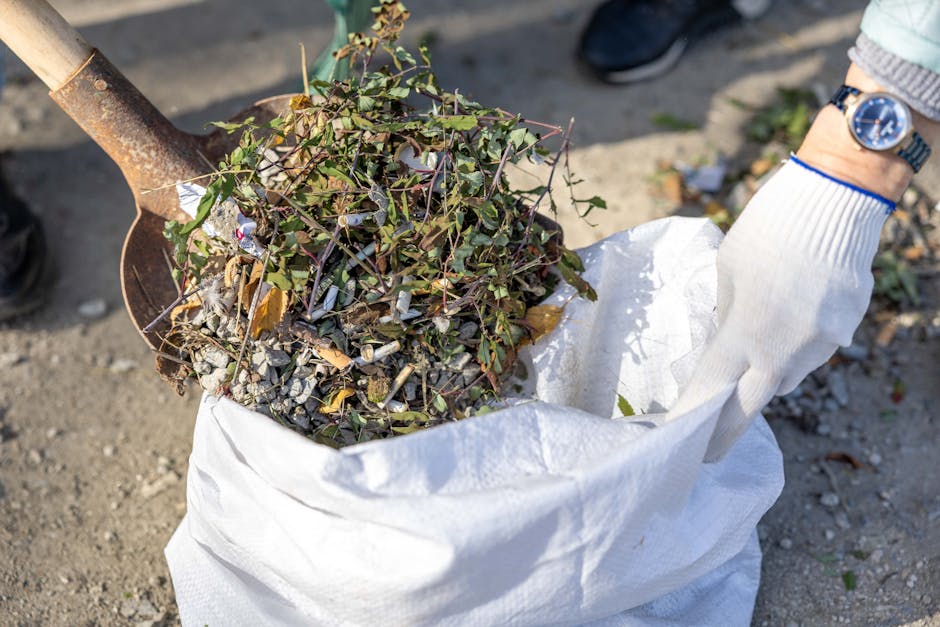
For most gardeners, the important part is understanding what usually belongs in garden waste and what does not. Typical garden waste includes grass cuttings, hedge trimmings, leaves, plants, weeds, small branches and soil from light garden work, subject to collection rules. Items that often cause problems include plastic plant pots, stones, rubble, metal, treated timber, compost bags, food waste and anything with chemicals on it. A single wrong item can spoil a whole container. Annoying, but common.
Another point worth knowing: bulky woody material may need different handling from soft green waste. A few prunings are one thing; a pile of thick branches from a serious hedge trim is something else. This is where planning matters. If you are doing larger work such as hedge reshaping or tree pruning, it often makes sense to break waste down into manageable sections and decide in advance whether it will go through collection, composting, or a separate removal route. For jobs involving heavier cutting, the service info on hedge trimming in Burnt Oak may also be helpful.
For lots of households, the easiest routine is simple: keep a dedicated green waste area, sort as you go, and avoid mixing in anything that cannot rot down cleanly. If you are also looking at reducing waste at source, container gardening can help keep jobs smaller and cleaner; see gardening in containers as a flexible growing solution for ideas that often produce less mess overall.
Key Benefits and Practical Advantages
Following the proper approach gives you more than compliance. It makes the whole garden routine smoother. When waste is separated correctly, tidy-up time drops, your storage space works better, and you are less likely to end up with half-finished jobs sitting in the garden for days.
- Cleaner outdoor spaces: Clutter disappears faster, so beds, paths and lawns stay easier to use.
- Fewer collection problems: Correct sorting reduces the risk of missed or rejected waste.
- Better composting potential: Clean garden waste can often be reused more effectively.
- Safer handling: You reduce slips, sharp cut-risk and awkward lifting from mixed debris.
- Better planning for seasonal work: Bigger cuts and clear-outs become more manageable.
There is a quieter benefit too: it helps you think more professionally about your garden. Once you start viewing waste as a material stream rather than just "mess", you make smarter choices. For example, leaves can be composted, prunings can be chipped, and suitable clippings may be reused as mulch in some situations. That mindset is especially useful if you want a lower-maintenance garden overall. A bit of structure goes a long way.
It also supports the kind of design choices that make a garden easier to maintain in the first place. If you are trying to reduce recurring waste, consider planting styles that do not create endless heavy clipping. Articles like low-maintenance garden ideas and ground cover plants for UK gardens can help you re-think the job at source, not only at disposal stage.
Who This Is For and When It Makes Sense
This guidance is for anyone in NW9 who creates garden waste and wants to handle it properly. That includes private homeowners, tenants with small patios or larger gardens, landlords, letting agents, and local gardeners carrying out routine maintenance for clients. If you trim hedges, mow lawns, clear ivy, cut back shrubs or refresh beds, this affects you.
It becomes especially important in a few familiar situations:
- after spring or autumn garden clear-outs
- following hedge reduction or shaping work
- after tree and shrub pruning
- when dealing with overgrown borders or self-seeded weeds
- when preparing a property for sale, tenancy change or seasonal use
NW9 includes all sorts of garden setups, from compact terraces to larger suburban plots and shared access spaces. That matters because not every property can store waste the same way. A side-return path, narrow bin store or no-drive access can make timing and container choice more important than usual. You learn quickly what works and what does not, usually after one wet week and a missed collection. Happens to everyone once.
If the work is part of a broader outdoor refresh, it can help to coordinate waste disposal with the rest of the job. For instance, a new border makeover might involve pruning, edging, clearing old growth and perhaps shifting materials around the space. In those cases, practical services like landscaping or general gardening services may be worth exploring alongside disposal planning.
Step-by-Step Guidance
If you want a calm, no-drama system, use a simple step-by-step method. It does not need to be fancy. It just needs to be consistent.
- Sort the waste as you create it. Separate green waste from plastics, pots, stones, wire and general rubbish immediately.
- Break larger items down. Long branches, thick hedge cuttings and tangled ivy are easier to manage when cut into smaller, neater sections.
- Keep damp waste under control. Wet clippings can become heavy fast. If possible, let them drain briefly before bagging.
- Use the right container or bag type. Follow the council's current collection requirements and avoid overfilling.
- Do a final contamination check. One old label, a scrap of plastic or a bit of broken pot can create problems later.
- Store neatly until collection. Keep bags closed and positioned so they do not blow open or leak across the path.
- Plan for leftovers. If not everything can go out in one round, decide in advance what to compost, store or remove separately.
A small real-world example: say you have trimmed a row of hedges, cleared a few weeds from the border and cut back a climber on the fence. If you sort each pile as you go, the end-of-job clean-up takes a fraction of the time. If you dump everything together and worry about it later, you end up with a mixed heap, an awkward bagging session and maybe another trip outside after dark. Not ideal.
If you also want the garden to look sharp after the waste is gone, it can help to pair disposal with a quick finish: a tidy lawn edge, swept path and a final look at the planting layout. For some people, a good follow-up routine includes lawn mowing or patio cleaning so the hard surfaces and grass look as cared for as the borders.
Expert Tips for Better Results
Here is where a little discipline saves a lot of hassle. In our experience, the best disposal routines are not the most complicated ones; they are the ones you can repeat without thinking too hard.
- Trim in stages during bigger jobs. Do not wait until the end to deal with all the waste at once.
- Use a compost heap where suitable. Some garden waste can be kept on site and turned into useful material later.
- Keep a "non-green" bucket nearby. It gives you a place for pots, ties, labels and random bits that do not belong in garden waste.
- Dry what you can before moving it. Dry leaves and clippings are lighter and easier to manage.
- Watch the weather. A windy or soaking-wet day makes disposal harder than it needs to be. If you can, time the job for a calmer window.
- Think about future access. If you are redesigning a garden, choose planting and edging that do not create endless cleanup. A bit of foresight now saves much more later.
One especially useful habit is to prune with disposal in mind. If you know the collection system is picky about size, cut branches to fit the container before they dry out into rigid, awkward shapes. That sounds obvious, but when you are halfway through a thorny hedge in drizzle, common sense can vanish quietly.
For inspiration on reducing waste through better planting choices, take a look at evergreen climbers for shaded areas or fast-growing hedges. The right planting mix often means cleaner maintenance over time, which is exactly what most busy gardeners want.
Common Mistakes to Avoid
A lot of disposal problems come from habits that seem harmless at first. A bag is a bag, right? Not quite.
- Mixing garden waste with general rubbish. This is the big one. It can lead to rejected collections.
- Including pots, ties or packaging. These are easy to miss when you are rushing.
- Overfilling containers. Too much weight or poor lid closure makes collection awkward and unsafe.
- Leaving waste loose on the pavement. It looks untidy and can attract complaints or blow away.
- Assuming all councils treat garden waste the same way. Rules and collection systems vary, so local checking matters.
- Ignoring larger woody waste. Thick branches often need a different plan from soft cuttings.
Another mistake is forgetting that some garden jobs generate waste in stages, not all at once. A hedge trim might create light clippings first, then thicker branches later. If you have already filled the container with soft material, you can get caught out. That is why a quick glance at the full job before you start is so valuable. A little boring, but it works.
For difficult overgrowth, especially ivy, it may be better to remove it carefully rather than rip and hope. Our article on ivy removal is a useful companion if that is one of your problem areas.
Tools, Resources and Recommendations
You do not need a shed full of specialist equipment to manage garden waste well. A few reliable tools make the job cleaner and safer.
- Sturdy gloves: Helpful for thorny stems, nettles and rough debris.
- Secateurs and loppers: Ideal for cutting waste down to size.
- Rake and leaf scoop: Makes collecting loose material easier.
- Garden sacks or approved containers: Useful for separating waste neatly.
- Wheelbarrow or trug: Saves your back on longer jobs.
- Tarpaulin: Handy for gathering a pile before bagging or moving.
- Pruning saw: Useful when hedge branches get a bit thicker than expected.
There are also a few service pages that can support the broader job if you are dealing with recurring garden maintenance rather than a one-off tidy. For example, tree surgery is the obvious route for heavier woody work, while lawn care can help if waste is tied to regular grass maintenance. If you are comparing service options and trying to keep the whole project within budget, the pricing and quotes page is the natural place to start.
And if you want to understand the wider business behind the service, a quick look at about us can help you judge whether the team feels like the right fit for your property and expectations.
Law, Compliance, Standards, or Best Practice
Garden waste disposal is partly a council-process issue and partly a general duty-of-care issue. In plain English, that means you should handle waste so it does not become a nuisance, a contamination problem, or a hazard for others. You do not need to turn into a legal expert to do this well, but you should be careful with mixed waste and with anything that might be considered bulky, sharp or contaminated.
For householders and gardeners, the best practice is simple: keep garden waste separate, follow the current local collection requirements, and never dump it where it could block access, attract pests or get blown into the street. If you use a contractor, it is sensible to confirm that waste will be handled properly as part of the job. That is where responsible service terms, clear handling processes and sensible insurance matter. A company that takes safety seriously should also be happy to show you its insurance and safety approach and its health and safety policy.
Best practice also means being realistic about what should not go into green waste. Treated wood, rubble, contaminated soil, and non-organic debris need separate handling. If a job includes a lot of cut material from shrubs, hedges or trees, it is worth checking whether the volume or type of waste changes how you manage it. Better to pause and sort it properly than to force it into the wrong stream. That small delay can save a large mess later on.
Privacy, payment and operational policies may seem unrelated, but for anyone hiring help, they are part of trust. If you are booking work and want to understand how the company handles customer data and transactions, the relevant policy pages include privacy policy, payment and security and terms and conditions. That is just good due diligence, nothing fancy.
Options, Methods, or Comparison Table
There is no single perfect method for garden waste disposal in NW9. The best option depends on volume, speed, garden size and how much sorting you are willing to do. Here is a simple comparison.
| Method | Best for | Pros | Watch-outs |
|---|---|---|---|
| Council collection | Routine garden waste at manageable volumes | Convenient, predictable, suited to regular maintenance | Must follow the set-out rules closely; contamination can cause issues |
| Home composting | Leaves, grass and soft plant material | Low cost, sustainable, useful for future soil improvement | Not ideal for diseased material, woody bulk or mixed waste |
| Private removal support | Larger clear-outs or time-sensitive jobs | Saves time, handles bigger loads, less stress | Cost varies and the waste still needs proper handling |
| On-site reuse and mulching | Gardeners who want to reduce waste output | Helps soil health and cuts disposal volume | Only suitable for the right material and the right garden setup |
For many NW9 households, a blend works best. Small weekly clippings go into the approved collection system, leaves and soft material go into compost, and the heavier clear-out work is handled separately. That balance is often the most practical and least stressful. No heroics required.
If you are planning a garden redesign rather than simply tidying up, you might also find from weeds to wonder: beginning your garden makeover useful, because design choices affect waste volumes more than people expect.
Case Study or Real-World Example
Here is a realistic NW9 scenario. A small front and rear garden has been left to grow through late summer. The hedge has outgrown the path, the lawn needs a clean cut, and the border is full of weeds and fallen leaves. The owner wants the garden looking respectable again without creating a mountain of bags that sit there for a week.
The sensible approach is to work in order. First, the hedge is cut back in sections so the waste stays manageable. Then the lawn is mown and edged. After that, the weeds and loose plant debris are collected into separate piles from any non-organic material, such as broken pots or old canes. Finally, the waste is checked for contamination, bagged in the correct way and stored neatly for collection.
What made the difference in this case was not speed. It was sequencing. The owner avoided mixing everything together, which meant the job stayed tidy and the final removal was simple. The space looked better almost immediately, and there was no awkward second round of sorting later in the evening. If you have ever tried to untangle wet grass from a pile of ivy in fading daylight, you will know why this matters.
A slightly more ambitious follow-up might include putting in some lower-maintenance planting, especially along borders that need frequent cutting. That can reduce the amount of recurring waste and make the garden easier to keep up. If that sounds like your sort of project, the ideas in effective weed management and must-have tools for every avid gardener can be a practical next read.
Practical Checklist
Use this before and after any garden tidy-up in NW9.
- Check the current Barnet Council garden waste guidance before setting anything out.
- Separate green waste from general rubbish at the start of the job.
- Remove plastic ties, labels, pots, wire and packaging.
- Cut long stems, hedge trimmings and branches down to a manageable size.
- Keep wet clippings from becoming waterlogged and heavy.
- Do not overfill bags or containers.
- Store waste neatly so it stays contained and safe.
- Use composting or reuse where suitable.
- Arrange a separate plan for bulky woody material if needed.
- Do a final sweep of the area before collection day.
Key takeaway: the cleaner you sort garden waste at the point of cutting, the easier everything becomes later. That one habit solves a lot.
If you want help with a larger garden reset, or you are simply tired of dealing with the same recurring waste every few weeks, it may be worth speaking to a local team that understands both the maintenance side and the disposal side. A careful plan now usually saves time, money and a bit of stress. And honestly, that is worth a lot on a busy week.
Get a free quote today and see how much you can save.
Conclusion
Getting to grips with Barnet Council rules for garden waste disposal NW9 gardeners need is mostly about being organised, not overcomplicated. Separate waste properly, follow the current local rules, plan for bigger jobs in advance and choose disposal methods that match the size of the task. Once that becomes routine, the whole process feels lighter.
There is a certain satisfaction in clearing a garden properly. The borders breathe again, the path is clear, and the whole place feels a bit more looked after. Not glamorous, perhaps, but very real. If you can turn waste into a smooth routine, you are already ahead of the game.
For support with regular maintenance, bigger cut-backs or a garden that needs a calmer, more workable system, it helps to have experienced local help on your side. Small improvements stack up. Before long, the garden feels easier, neater and more yours.
Frequently Asked Questions
What counts as garden waste under Barnet Council rules?
Usually, garden waste means organic material such as grass cuttings, hedge trimmings, leaves, small branches, weeds and plants. The exact accepted items can vary, so always check current guidance before putting anything out.
Can I put soil in my garden waste bin?
Light amounts of soil may be treated differently from normal green waste, depending on the collection system. Heavy soil, rubble and mixed debris usually need separate handling, so do not assume it is automatically accepted.
What should I do with thick branches from hedge cutting?
Thick branches are often best cut down to a manageable size and dealt with separately if they do not fit the usual garden waste collection method. Larger woody waste can be awkward, so plan it before you start.
Can I mix weeds with grass cuttings?
In many cases, weeds and grass cuttings are both treated as garden waste, but only if they are free from plastic, soil clumps, pots and other contamination. Keep the pile clean and simple.
Is it okay to leave garden waste on the pavement before collection?
No, not if it is likely to obstruct access, blow away or create a nuisance. Waste should be set out neatly and in line with the council's collection requirements.
What happens if my garden waste is contaminated?
Contaminated waste may be rejected or left uncollected. Even small items like plastic labels, compost bags or bits of broken pot can create a problem, so a final check is always worth it.
Should I compost my garden waste instead of using collection?
If you have space and suitable material, composting can be a smart option. It works well for leaves, grass and soft plant matter, but not for everything. Diseased material, treated wood and mixed rubbish should stay out.
How can NW9 gardeners reduce the amount of waste they produce?
Choose lower-maintenance planting, prune regularly in smaller amounts, compost what you can, and plan hedges and borders so they do not need constant heavy cutting. Small design decisions make a big difference.
Do I need a professional gardener for waste disposal?
Not always. Many people manage routine garden waste themselves. But if the job is large, involves awkward branches, or needs proper clearing and disposal in one go, a professional can save time and reduce stress.
Where can I find help if I am unsure how to handle the waste?
Start with the current council guidance, then look at local gardening support if the job is more than a quick tidy. If you need practical help with the work itself, local garden maintenance support can make the process much easier.
Is garden waste disposal the same in every London borough?
No, the details can differ from borough to borough. That is why NW9 gardeners should always check the current Barnet Council process rather than relying on habits from somewhere else.
What is the best all-round approach for a busy household?
A mixed routine usually works best: separate green waste as you go, compost suitable material, keep bulky waste planned, and arrange collection or removal in a way that fits your garden size. Simple, neat, repeatable. That is the sweet spot.
If you keep the system calm and consistent, waste stops being a chore and starts becoming just another part of a well-run garden. And that, honestly, is a pretty nice place to be.